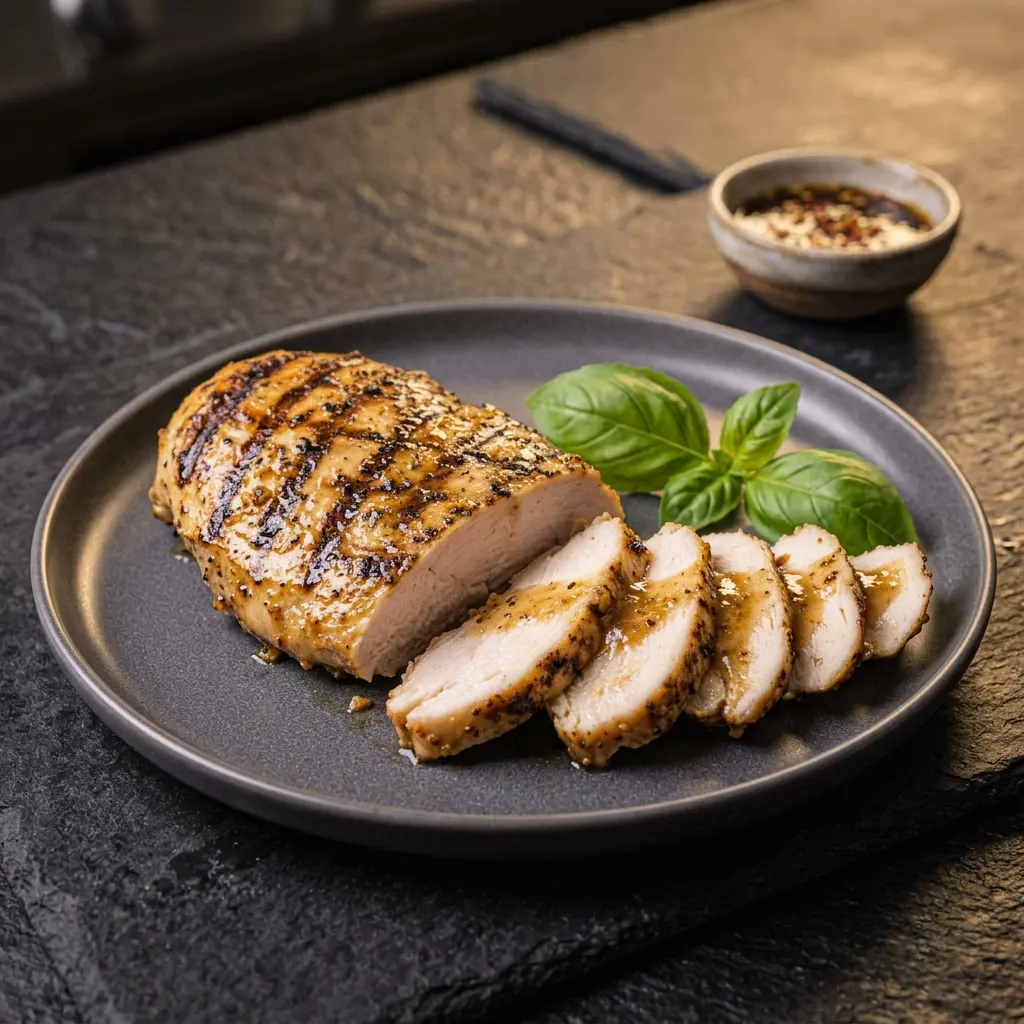
Best Grilled Chicken Breast – Juicy, Charred & Never Dry
Grilled chicken breast has a worse reputation than it deserves. I spent years either undercooking it and nervously cutting into it every thirty seconds, or overcooking it into something that needed an entire bottle of hot sauce to get through. Neither version was something I would voluntarily make again.
The problem was not the chicken. It was that I was treating the grill like a flat surface and chicken breast like something that cooks evenly from edge to center. It does not. Once I learned how to use two heat zones and stopped pulling the chicken at what the thermometer said instead of what it actually needed, grilled chicken breast became something I genuinely looked forward to making.
This is the method that fixed it for me and it works on both gas and charcoal grills.
What Most Recipes Get Wrong About Grilled Chicken Breast
Most grilled chicken breast recipes give you a temperature and a time. Medium-high heat, six to eight minutes per side, done at 165F. That formula produces technically safe chicken, but it misses the two things that make grilled chicken breast actually worth eating.
The first is two zone grilling. A grill with only one temperature level all burners on high, or charcoal spread evenly – gives you no control. When the outside of a thick chicken breast chars before the center is cooked through, you have to move it or the outside burns. But moving it to a cooler area while the inside finishes requires that cooler area to exist. Two-zone grilling means one side of the grill is on high heat for searing and grill marks, and the other side is on medium or low for finishing the cook through. Sear on high, move to medium to finish. The outside gets char and color, the inside cooks through gently without the exterior burning further.
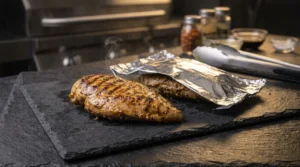
The second is the pull temperature. Grilled chicken breast continues cooking after it leaves the grill. The stored heat in the meat raises the internal temperature by three to five degrees during the five-minute rest. If you wait until the thermometer reads 165F before pulling it off, the chicken arrives at 168 to 170F after resting which is safe but noticeably drier than it needed to be. Pull at 160 to 162F, tent with foil, rest for five minutes. It arrives at exactly 165F and stays much juicier.
These two things two-zone heat and pulling early are what separate grilled chicken breast worth eating from the version that dries out every time.
Before You Light the Grill
The marinade does more than add flavor the acid in it begins breaking down the surface proteins of the chicken before it ever hits the grill. This creates a slightly more permeable outer layer that browns faster and takes on grill char more evenly. Thirty minutes in the marinade is the minimum. Two hours is better. The outer layer of the chicken changes noticeably after two hours in an acid-based marinade more tender, more porous, more receptive to the char.
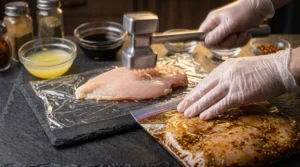
Pound the thick end of each breast down before marinating. Chicken breasts are significantly thicker in the middle than at the tips. On a grill, the thin ends reach 165F a full three to four minutes before the thick center does. By the time the center is cooked, the thin ends have been sitting at high heat for several extra minutes and taste like it. Pounding to an even half-inch to three-quarter-inch thickness throughout means everything cooks at the same rate.
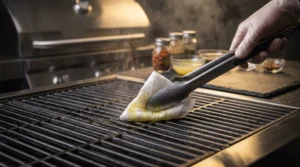
Oil the grill grates before the chicken goes on, not after. Oiled grates prevent sticking and produce cleaner grill marks. Use a paper towel dipped in avocado oil or vegetable oil held with tongs and wipe the grates just before adding the chicken. Do not use cooking spray directly on the grill the aerosol is flammable and can cause flare ups.
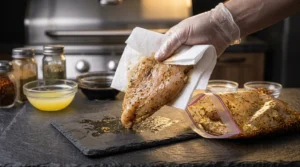
Pat the chicken dry before it goes on the grill even after marinating. Surface moisture slows down browning and the development of grill marks. The flavor has already penetrated the meat – the liquid sitting on the surface is not helping.
A Few Problems I Have Run Into With Grilled Chicken Breast
Flare-ups charring the outside before the inside is done: the marinade or the chicken fat is dripping onto the flames. Move the chicken immediately to the cooler zone. Do not try to cook through a flare up the outside will be black before the center reaches temperature. Lid-down grilling reduces flare-ups because it limits oxygen.
No grill marks, pale exterior: the grill was not hot enough before the chicken went on, or the chicken was moved too soon. Let the grill fully preheat for at least 10 minutes. Once the chicken is placed, do not move it for three to four minutes that is when the grill marks form and the surface releases from the grates naturally. Moving it earlier tears the surface and takes the marks with it.
Dry despite everything: the chicken was pulled at 165F instead of 160 to 162F, or it was not rested properly after coming off the grill. Pull earlier, tent with foil, rest for five full minutes.
Sticking to the grates: grates were not oiled, or chicken went on before the grill was hot enough. Oil grates and let the grill reach full temperature before adding chicken.
Chicken tastes bland even after marinating: the marinade was too mild, not enough salt was used, or the chicken was not pounded thin so the marinade only flavored the surface. Increase salt in the marinade, marinate longer, and pound before marinating so the surface is more receptive.
Four Grilled Chicken Breast Variations Worth Trying
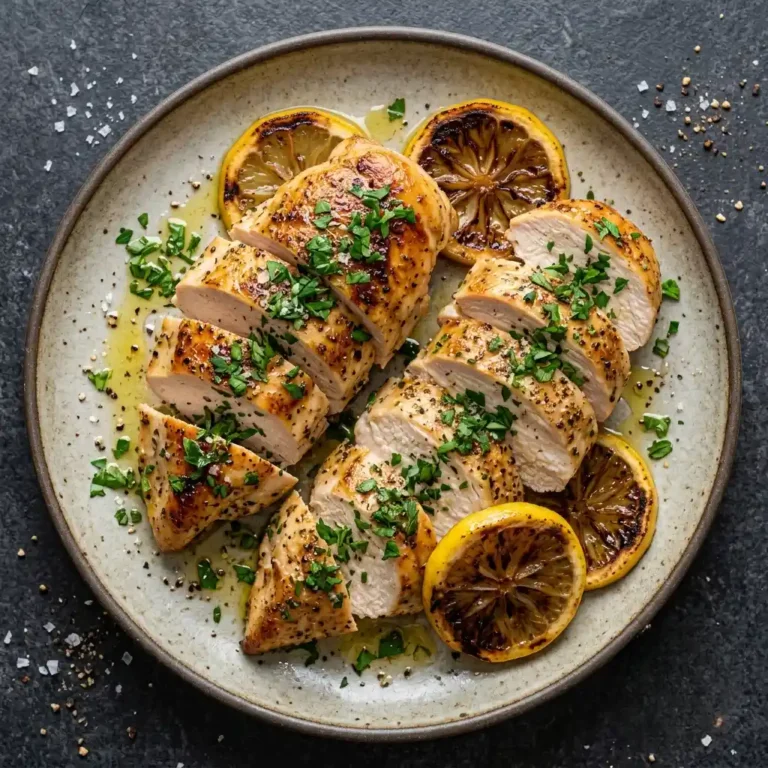
Classic lemon garlic grilled chicken breast: The base recipe as written. Lemon, garlic, olive oil, and herbs. Works for salads, sandwiches, grain bowls, or as a standalone dinner protein.
BBQ grilled chicken breast: Use the dry spice rub from the recipe without the liquid marinade. Grill as normal and brush with your preferred BBQ sauce in the last two minutes of cooking on the high heat side. The sauce caramelizes slightly from the grill heat. Apply a second coat immediately before serving.
Spicy grilled chicken breast: Add one teaspoon of chipotle powder and half a teaspoon of cayenne to the marinade. The smokiness of the chipotle works especially well with charcoal grilling. Serve with a cooling cucumber yogurt sauce.
Mediterranean grilled chicken breast: Add one teaspoon of dried oregano, half a teaspoon of cumin, and the zest of one lemon to the marinade. Serve over tabbouleh or a simple salad of cucumber, tomato, and red onion with olive oil. This version works cold as well as warm.
How I Usually Serve This
Grilled chicken breast is one of the most versatile proteins you can have ready because it works hot off the grill, at room temperature, or cold from the fridge the next day.
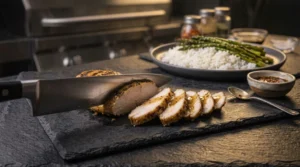
Sliced over a simple green salad with a lemon vinaigrette is the most natural pairing for a light weeknight dinner. The char on the outside of the grilled chicken breast adds smokiness to the whole plate that a baked version cannot replicate.
Over jasmine rice with a spoonful of the pan drippings or a simple pan sauce made from the reserved marinade (brought to a boil first) is a complete meal in under thirty minutes.
For meal prep, grill four to six breasts at once on a Sunday. Slice and store in the fridge cold grilled chicken breast works exceptionally well in wraps, grain bowls, and pasta salads through the week. The smoky char flavor actually deepens slightly overnight.
For a summer cookout spread, serve alongside Crispy Oven Chicken Wings for a crowd that wants variety. Or use Best Chicken Marinade as the base for this recipe it works just as well on the grill as in the oven.
Storing Grilled Chicken Breast
Grilled chicken breast keeps well in the fridge for up to four days in an airtight container. Store it whole if you can sliced chicken dries out faster because more surface area is exposed to air.
Reheat in a covered skillet over medium-low heat with a tablespoon of water or chicken stock. Three to four minutes covered keeps the moisture in and the texture close to fresh. The grill char on the exterior softens slightly when reheated this way but the flavor stays.
Microwave at 50 percent power in 30 second intervals if you need to. Full power makes chicken breast rubbery quickly. A damp paper towel over the top helps trap steam and keeps it from drying out.
Grilled chicken breast freezes well for up to three months. Wrap individually in plastic wrap before placing in a freezer bag so you can pull single portions. Thaw overnight in the fridge and reheat in the covered skillet method.
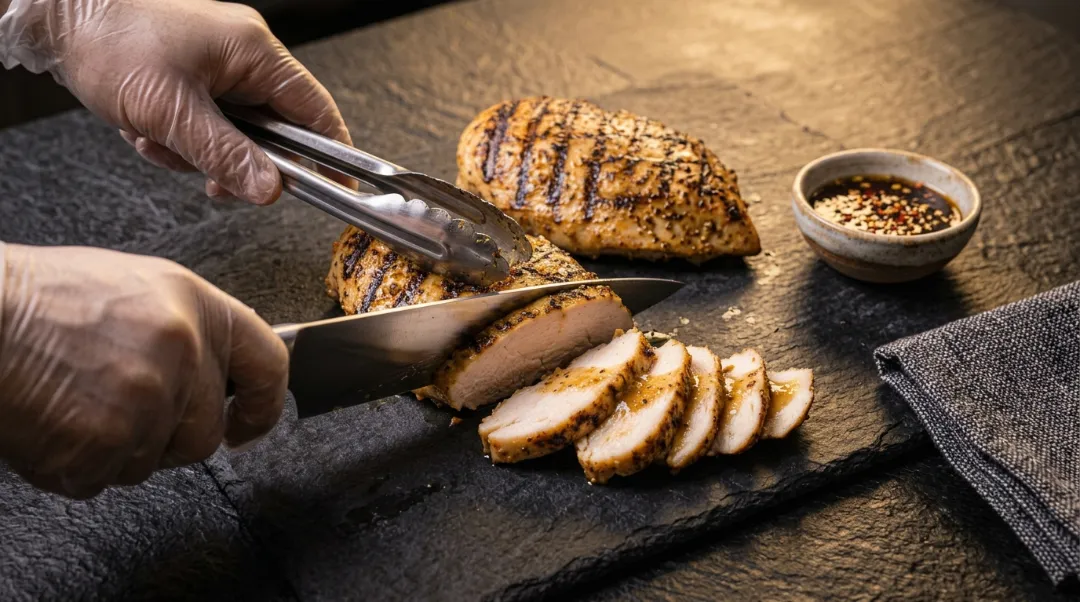
Grilled Chicken Breast
Ingredients
Equipment
Method
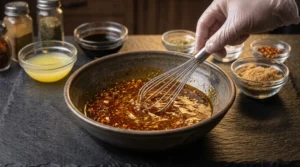
- Make the marinade Whisk together olive oil, lemon juice, minced garlic, soy sauce, smoked paprika, oregano, garlic powder, salt, pepper, onion powder, and brown sugar until combined. The marinade should taste bold it will mellow slightly as it marinates.
- Pound and marinate Place chicken breasts between plastic wrap and pound with a meat mallet to an even half inch to three quarter inch thickness throughout. Place in a zip-top bag, pour marinade over, press out air, and seal. Refrigerate for 30 minutes minimum and up to 2 hours. Do not marinate longer than 3 hours the lemon acid will begin to affect texture.
- Preheat grill with two zones Set up two heat zones: one side on high (400-450F) and the other on medium low (300-350F). Preheat for at least 10 minutes. Just before adding chicken, oil the grates with a paper towel dipped in avocado oil held with tongs.
- Remove and dry Remove grilled chicken breast from marinade and pat completely dry with paper towels on both sides. Surface moisture slows charring and grill mark development. The flavor has penetrated the liquid on the surface is not needed.
- Sear on high heat Place chicken on the high heat zone at a 45 degree angle to the grates. Close the lid. Grill for 3 to 4 minutes without moving. When the chicken releases from the grates naturally and has clear grill marks, rotate 90 degrees for the cross hatch pattern and grill 2 more minutes. Flip and repeat on the other side.
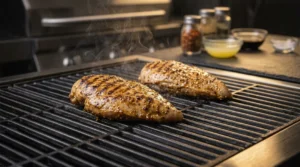
- Finish on medium zone Move grilled chicken breast to the medium low heat zone. Close the lid and cook for 4 to 5 more minutes until the internal temperature reads 160 to 162F at the thickest point.
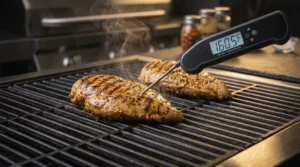
- Rest Remove from grill. Tent loosely with foil and rest for 5 full minutes. Carryover cooking will bring the temperature to 165F during resting. Do not cut into it yet.
- Serve Slice grilled chicken breast against the grain for the most tender texture. Serve immediately over rice, salad, or with your choice of sides. Spoon any resting juices over the top.
Notes
- Two-zone grilling is essential: sear on high for grill marks, finish on medium-low for even cooking.
- Pull at 160-162F not 165F: carryover cooking brings it to 165F during the 5 minute rest.
- Pound to even thickness: the most important prep step for evenly cooked grilled chicken breast.
- Oil grates not chicken: oiled grates prevent sticking and produce better grill marks.
- Do not move chicken early: grill marks need 3 to 4 minutes of undisturbed contact to form.
- Lid closed: keeps ambient heat surrounding the chicken for faster, more even cooking.
- Marinating time: 30 minutes minimum, 2 hours ideal, 3 hours maximum for breasts.
- Storage: airtight container, fridge up to 4 days.
- Reheat: covered skillet over medium low with 1 tbsp water, 3 to 4 minutes.
- Freeze: up to 3 months wrapped individually. Thaw overnight in fridge.
NUTRITION
(Per Serving – Estimated)
| Calories | 285 kcal |
| Protein | 40 g |
| Fat | 11 g |
| Saturated Fat | 2 g |
| Carbohydrates | 5 g |
| Fiber | 0 g |
| Sugar | 2 g |
| Sodium | 560 mg |
| Cholesterol | 120 mg |
Calculated using 7 oz boneless skinless chicken breast with listed marinade. Not all marinade is absorbed. Values are estimates and vary by breast size and ingredient brands.
What I Get Asked a Lot
What temperature should I grill chicken breast at?
Set the high-heat zone to 400 to 450F and the low-heat zone to around 300 to 350F. Sear the grilled chicken breast on the high side for three to four minutes per side to get grill marks and char, then move to the lower side to finish cooking through. This two-zone method gives you control that single-temperature grilling does not. For safe cooking temperatures, the USDA recommends all poultry reach 165F internal temperature as measured with a food thermometer.
How long does grilled chicken breast take?
On a properly preheated grill at medium-high heat, boneless skinless chicken breasts that have been pounded to even thickness take about three to four minutes per side on the high heat zone, then four to five minutes on the lower zone to finish. Total grill time is about ten to twelve minutes. Bone in breasts take significantly longer up to twenty five to thirty minutes using indirect heat. Always go by temperature, not time.
Should I grill chicken breast with the lid open or closed?
Closed for most of the cook. A closed lid traps heat and allows the grill to function more like an oven – the ambient heat surrounds the chicken and cooks it from all sides simultaneously. This reduces total grill time and prevents the top of the chicken from staying raw while the bottom chars. Open the lid only when checking temperature or moving the chicken between zones.
How do I get good grill marks on chicken breast?
Three things: fully preheat the grill, oil the grates, and do not move the chicken for three to four minutes after placing it. Grill marks form when the surface protein denatures and caramelizes from direct contact with the hot metal. Moving the chicken before this happens tears the surface and removes the developing mark. Place the chicken at a 45-degree angle to the grates, leave it for three minutes, rotate 90 degrees for the cross hatch pattern, then flip.
Can I grill chicken breast from frozen?
Not recommended. Frozen chicken takes too long to thaw on the grill, meaning the exterior reaches charring temperature long before the center thaws. The result is burnt outside, raw inside not fixable mid cook. Always thaw completely in the fridge overnight before grilling.
Give This a Go
Grilled chicken breast went from something I dreaded making to one of the most reliable proteins in my regular rotation once the two-zone method and pull temperature clicked. The char, the juiciness, and the versatility of what you can do with it cold through the week make it genuinely worth the fifteen minutes of active grill time.
Try it once and leave a comment below especially curious whether you went gas or charcoal.