Best Lemon Herb Chicken – Fresh, Juicy & Full of Flavor
Lemon herb chicken was the first recipe I made that my mother-in-law asked me for. Not a complicated braise or a slow cooked weekend project a simple weeknight chicken with lemon, garlic, and fresh herbs. She had grown up cooking and had never asked anyone for a recipe in her life. That said something.
The version I made that night was not complicated. What made it work was understanding how lemon and fresh herbs actually behave together, and why certain combinations produce something that tastes genuinely bright and layered instead of just sour and grassy.
I have made lemon herb chicken probably twice a month since then. It has become the recipe I reach for when I want something that tastes impressive without requiring much effort.
Why I Keep Coming Back to This Recipe
Most lemon herb chicken recipes treat lemon and herbs as flavoring agents pour them over the chicken, cook it, done. What they miss is that lemon and fresh herbs do different things to chicken depending on how and when you use them.
Lemon juice is acidic. When it contacts raw chicken protein during marinating, it begins breaking down the surface muscle fibers through a process similar to what happens during cooking. A short marinade of 30 minutes to two hours tenderizes the outer layer and allows flavor compounds to penetrate deeper into the meat than they could on a dry surface. This is why lemon herb chicken tastes more flavorful than chicken that was just seasoned and cooked – the acid opens pathways for the herbs and garlic to follow.
But here is what most recipes skip: lemon zest and lemon juice do completely different things. Juice provides acidity it tenderizes and brightens. Zest provides volatile aromatic oils from the outer peel, which deliver the intensely lemony fragrance that makes lemon herb chicken smell and taste distinctly of lemon rather than just sour. If you want the flavor without extra acidity, zest is the tool. Using both juice and zest gives you brightness, fragrance, and depth at the same time.
Fresh herbs work differently from dried in this application. Dried herbs need heat and moisture to rehydrate and bloom – they work well in long-cooked dishes. Fresh herbs contain living volatile oils that are most potent at room temperature and begin degrading almost immediately when heat is applied. For a short-cook recipe like lemon herb chicken, adding fresh herbs toward the end of cooking or after preserves their brightness. Rosemary and thyme can go in earlier because their oils are more heat-stable. Parsley and basil should always go on at the end.
Thyme and rosemary specifically pair with lemon because all three share a family of aromatic compounds called terpenes. The lemon forward terpene limonene in lemon zest echoes the terpene profiles of both herbs, which is why this combination tastes cohesive rather than random. It is not a coincidence that these three ingredients have appeared together in Mediterranean cooking for centuries.
A Few Notes Before You Start
Do not marinate lemon herb chicken for more than three hours in a heavily lemon-based marinade. Citric acid continues breaking down protein even after full flavor penetration has occurred. Past three hours, the outer texture of chicken breasts starts to feel slightly mushy and chalky. If you want to prep ahead, marinate for two hours and then transfer to a clean container without the marinade until you are ready to cook.
Fresh garlic is worth it here. Garlic releases allicin when crushed or minced a sulfur compound that creates the sharp, complex garlic flavor. Jarred minced garlic has already oxidized and produces a more muted, slightly metallic result. For a recipe where garlic is a primary flavor, fresh makes a noticeable difference.
Avocado oil handles the heat of a hot skillet or grill better than olive oil. Extra virgin olive oil has a smoke point around 375F, which is fine for lower-heat cooking but can produce a slightly bitter taste at higher temperatures. Avocado oil stays neutral above 500F. Either works – just be aware of the difference.
Pat the chicken dry before cooking even after marinating. This is the step most people skip and it is the most important one for getting a proper golden exterior. Wet chicken steams. Dry chicken sears.
What Can Go Wrong With Lemon Herb Chicken
Mushy texture on the outside: the lemon marinade went too long. Reduce to two hours maximum for chicken breasts, or cut the lemon juice in half for anything going overnight.
Bland despite all the herbs: dried herbs were used instead of fresh, or the herbs were added at the beginning of cooking and lost all their volatile oils by the time the chicken was done. Use fresh herbs and add the delicate ones (parsley, basil) after the chicken comes off the heat.
Bitter lemon taste: the white pith from the lemon made it into the dish. When zesting, use only the bright yellow outer layer the pith underneath is intensely bitter. A microplane grater makes this easier to control than a box grater.
No browning on the exterior: the chicken was not patted dry before cooking, or the pan was not hot enough. A shimmering pan, dry chicken, and space between pieces are the three requirements for a proper sear on lemon herb chicken.
Herbs look grey and wilted: they went into the pan too early with the chicken and cooked down completely. Rosemary and thyme can tolerate some heat. Parsley, basil, and chives always go on after cooking.
Three Versions Worth Trying
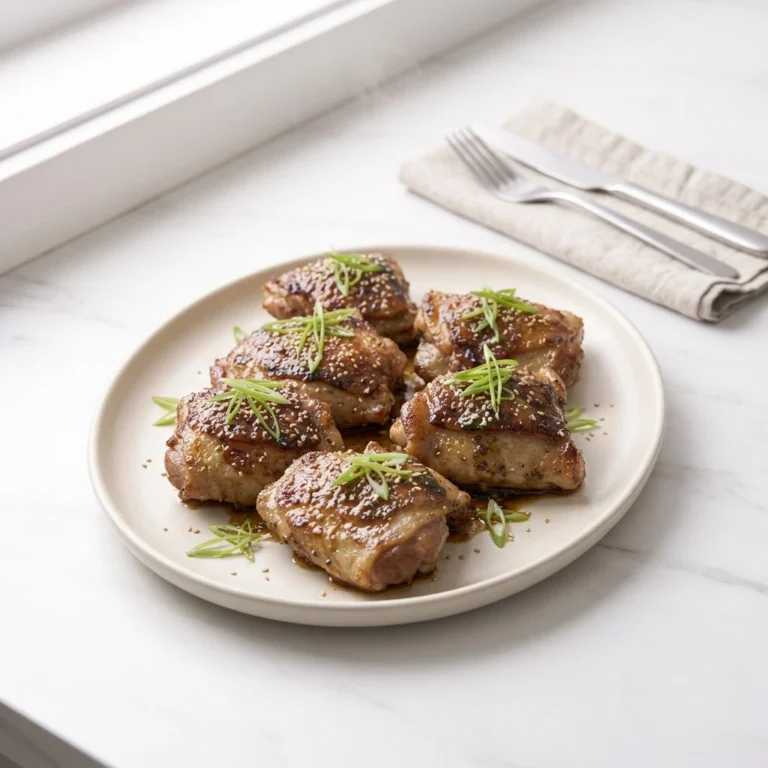
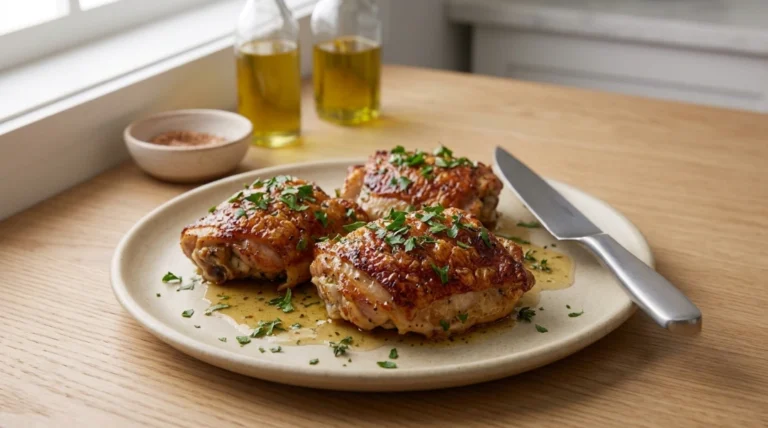
Lemon herb chicken thighs: Bone in, skin on thighs work beautifully with this marinade. Bake at 425F for 38 to 42 minutes. The longer cook time allows the lemon and herb flavors to penetrate more deeply into dark meat, and the skin gets slightly golden and fragrant.
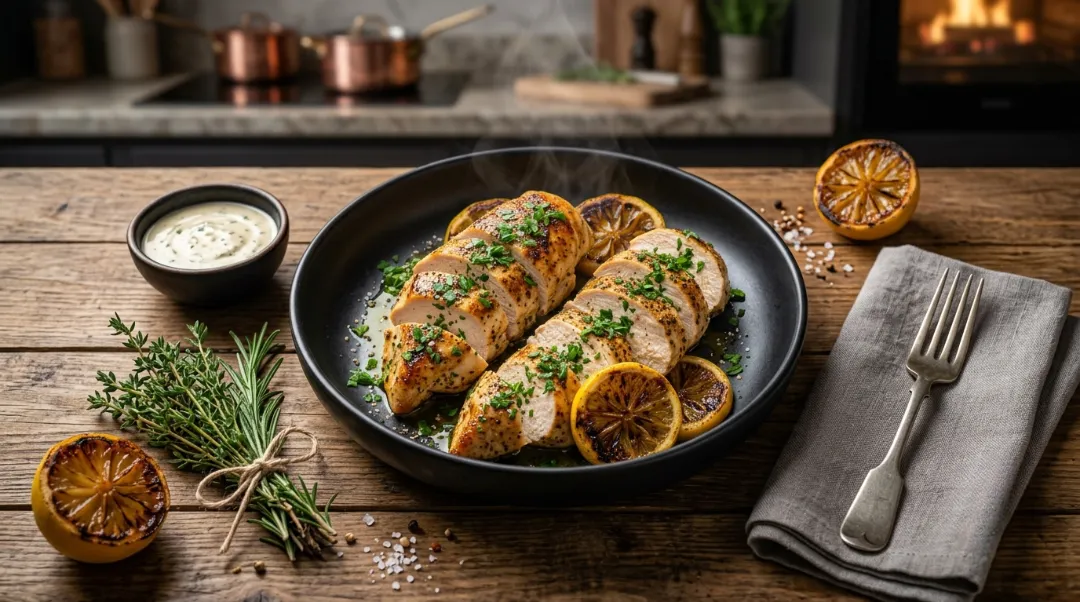
Grilled lemon herb chicken: Marinate breasts for two hours, pat dry, grill over medium-high heat for 6 to 7 minutes per side. Do not move them during the first four minutes that is when the grill marks form. The char adds a slightly smoky note that balances the brightness of the lemon beautifully.
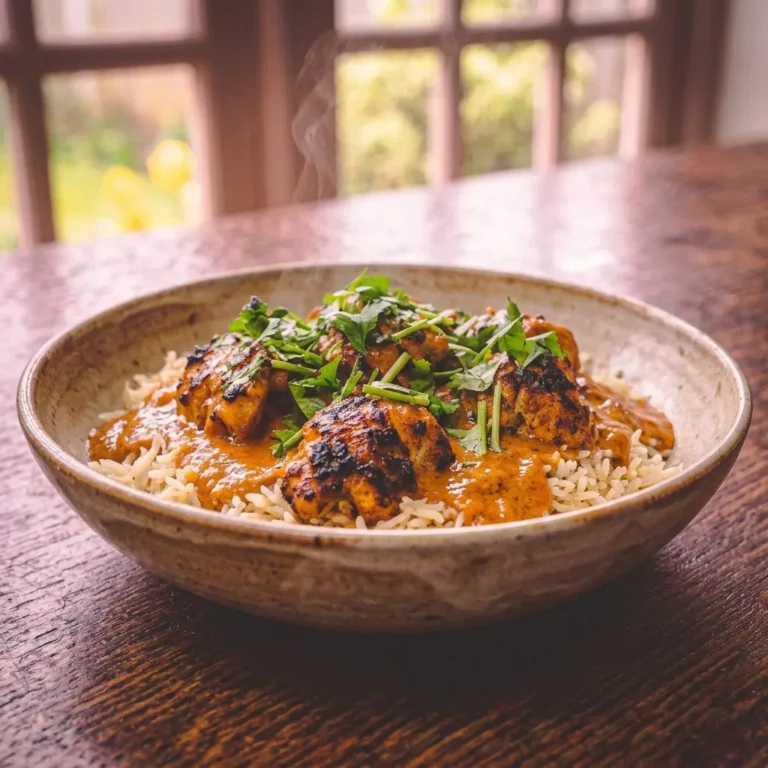
Creamy lemon herb chicken: After cooking the chicken in a cast iron skillet, add a quarter cup of heavy cream, two tablespoons of butter, and a squeeze of lemon to the pan. Stir and simmer for two minutes. The cream picks up all the browned bits and herb residue in the pan and turns into a rich pan sauce that works over pasta or rice.
How I Usually Serve This
The bright, citrusy flavor of lemon herb chicken makes it one of the most versatile things you can have ready in the kitchen. It works warm, at room temperature, or cold which makes it ideal for meal prep in a way that heavier recipes are not.
For a complete weeknight dinner, roasted baby potatoes or jasmine rice underneath the chicken with the pan drippings spooned over the top is a meal in under 35 minutes. Roasted asparagus or green beans on the side keeps the plate light and fresh.
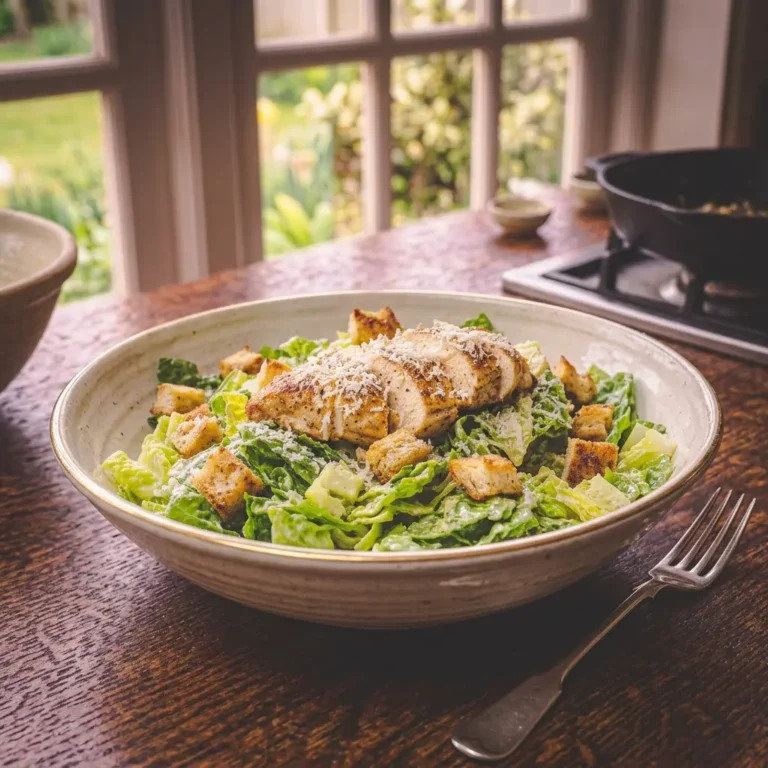
For meal prep, slice or shred two to three breasts at once and keep them in the fridge for up to four days. Cold lemon herb chicken is excellent in grain bowls with cucumber, cherry tomatoes, and a simple olive oil dressing. It also works sliced into a wrap with hummus and arugula for a fast weekday lunch.
For a full spread, pair with Garlic Butter Chicken when cooking for a group the buttery richness of one balances the bright citrus of the other perfectly. Or use Best Chicken Marinade for a deeper, more complex flavor profile on the same cut.
Fridge and Freezer Notes
Cooked lemon herb chicken keeps in the fridge for up to four days in an airtight container. The lemon flavor actually deepens slightly overnight, which makes day two leftovers particularly good cold in salads and wraps.
Reheat in a covered skillet over medium low heat with a tablespoon of water or chicken stock. Four minutes covered, then one minute uncovered to restore any exterior color. Microwave at 50 percent power in 30 second intervals if needed, but the skillet method keeps the texture significantly better.
Freezes well for up to three months. The lemon and herb flavor holds through freezing better than many marinades do. Thaw overnight in the fridge and reheat using the skillet method above.
The raw marinade (without chicken) keeps in the fridge for up to one week in a sealed jar. This makes it easy to prep a batch at the start of the week and use it on different proteins through the days it works equally well on fish and shrimp.
Lemon Herb Chicken
Ingredients
Equipment
Method
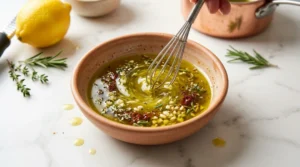
- Make the marinade Whisk together olive oil, lemon juice, lemon zest, minced garlic, thyme, rosemary, oregano, salt, pepper, and smoked paprika in a small bowl until combined. The marinade should smell strongly of lemon and herbs – that is what you want.
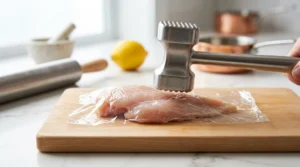
- Pound the chicken Place chicken breasts between two sheets of plastic wrap. Pound the thicker end down to an even three-quarter inch thickness using a meat mallet or rolling pin. Even thickness means even cooking – the thinner end will not dry out while the thicker middle finishes.
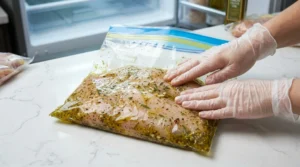
- Marinate Place chicken in a gallon zip-top bag. Pour marinade over, press out air, seal, and massage until all surfaces are coated. Refrigerate for 30 minutes minimum and up to 2 hours maximum. Do not go beyond 3 hours – the lemon acid will begin to make the texture mushy.
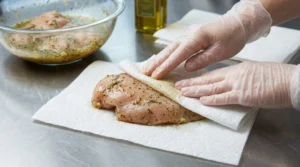
- Remove and dry Remove chicken from marinade and pat each piece completely dry with paper towels on both sides. Surface moisture creates steam in the pan and prevents browning. The flavor has already penetrated – the liquid on the surface is not needed.
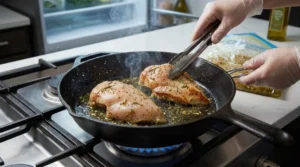
- Sear the chicken Heat avocado oil in a large skillet over medium-high heat until shimmering. Add chicken in a single layer – do not crowd the pan. Cook undisturbed for 5 to 6 minutes until the bottom is golden brown. Flip and cook another 4 to 5 minutes.
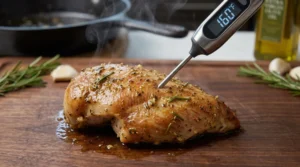
- Check temperature Check internal temperature at the thickest point. Pull lemon herb chicken from the heat at 160F – carryover cooking will bring it to 165F during resting. Do not wait for 165F on the thermometer or it will arrive at 168 to 170F and be drier than it should be.
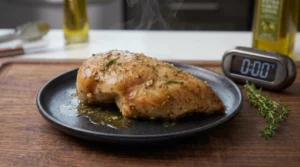
- Rest Rest chicken in the pan or on a plate for 5 minutes before cutting. This allows the juices that moved toward the center during cooking to redistribute back through the meat.
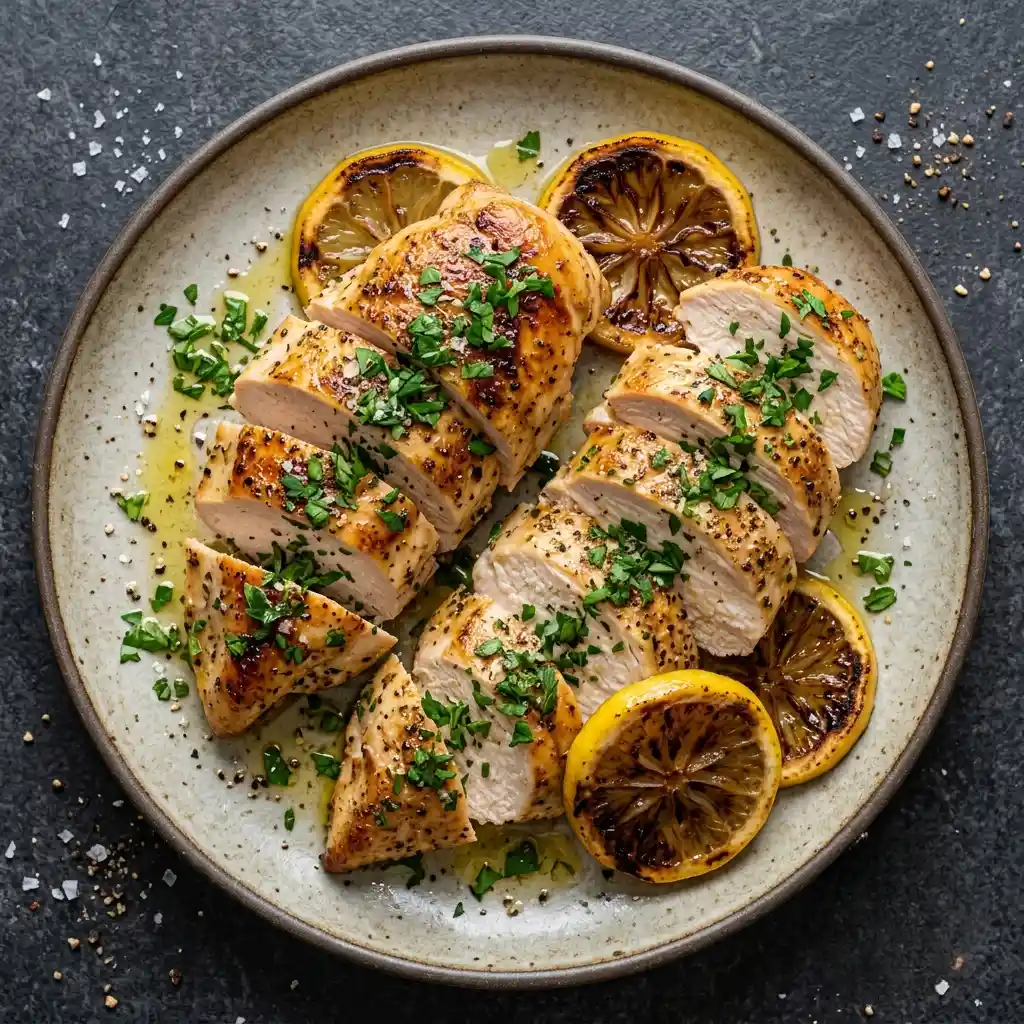
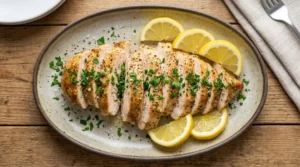
- Finish and serve Sprinkle fresh parsley over the rested lemon herb chicken immediately before serving. Add lemon wedges on the side for squeezing at the table. The fresh parsley and lemon at the end restore the bright herb character that cooking mellows slightly.
Notes
- Marinating time: 30 minutes minimum, 2 hours ideal, 3 hours maximum for breasts. Longer makes texture mushy.
- Lemon zest vs juice: zest provides aromatic oil and fragrance, juice provides acidity. Use both for best results.
- Fresh herbs: rosemary and thyme go into the marinade. Parsley always goes on after cooking to preserve its bright flavor.
- Pat dry before cooking: the most important step for golden exterior on lemon herb chicken.
- Pull at 160F: carryover cooking takes it to 165F during resting. More accurate and juicier than waiting for 165F.
- Dried herb substitution: use one-third the amount if substituting dried for fresh.
- Storage: airtight container, fridge up to 4 days.
- Reheat: covered skillet over medium-low with 1 tbsp water, 4 to 5 minutes.
- Freeze: up to 3 months. Thaw overnight in fridge, reheat in covered skillet.
NUTRITION
(Per Serving – Estimated)
| Calories | 275 kcal |
| Protein | 38 g |
| Fat | 12 g |
| Saturated Fat | 2 g |
| Carbohydrates | 3 g |
| Fiber | 0 g |
| Sugar | 1 g |
| Sodium | 530 mg |
| Cholesterol | 115 mg |
Calculated using boneless skinless chicken breasts with marinade and avocado oil for cooking. Not all marinade is absorbed – values are estimates and vary by ingredient brands and portion size.
Quick Answers
Can I use dried herbs instead of fresh for lemon herb chicken?
You can, but reduce the quantities by about two thirds dried herbs are more concentrated. The bigger difference is flavor character. Dried herbs lack the volatile aromatic oils that fresh ones contain, so the result will taste more muted and less bright. For lemon herb chicken specifically, fresh thyme and rosemary in the marinade with fresh parsley added after cooking is the version that actually delivers the bright herb flavor the recipe is known for.
How long should I marinate lemon herb chicken?
Thirty minutes is the minimum and two hours is the sweet spot for chicken breasts. Beyond three hours in a full-strength lemon marinade, the acid starts to make the outer texture mushy. For bone-in thighs, you can go up to four hours. If you want to marinate overnight, cut the lemon juice in half and rely more on the zest for lemon flavor.
Can I cook lemon herb chicken in the air fryer?
Yes – 400F for 18 to 20 minutes, flipping halfway. Pat completely dry before placing in the basket. The air fryer circulates hot air on all sides which gives the exterior a slightly crisped texture that works well with the fresh herb crust. Add fresh herbs after cooking.
Is lemon herb chicken good for meal prep?
It is one of the best options for weekly meal prep. The flavor holds well through four days in the fridge, it works cold or warm, and the lemon brightens rather than fades over time. Bake a full batch on Sunday and use it through the week in salads, wraps, grain bowls, and pasta dishes.
What is the best internal temperature for lemon herb chicken?
The USDA minimum is 165F for all poultry. For chicken breasts, pull at 160F and rest for five minutes – carryover cooking brings it to 165F and keeps it juicier than waiting for the thermometer to read 165F in the oven. For the full food safety guidelines, see the USDA poultry safety page.
I Think You Will Like It
Lemon herb chicken has stayed in my regular rotation for years because it does what few recipes do it tastes like something that took more effort than it did. Twenty-five minutes of actual cooking time, a handful of fresh herbs, one lemon, and the result is something people remember.
If you try it, drop a comment below with which version you went with.