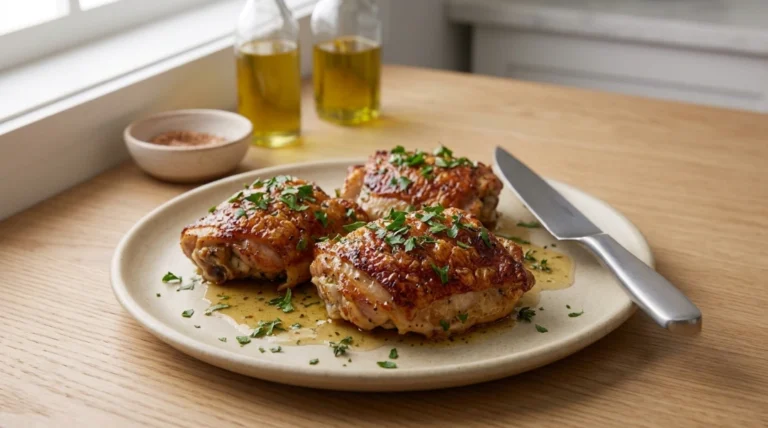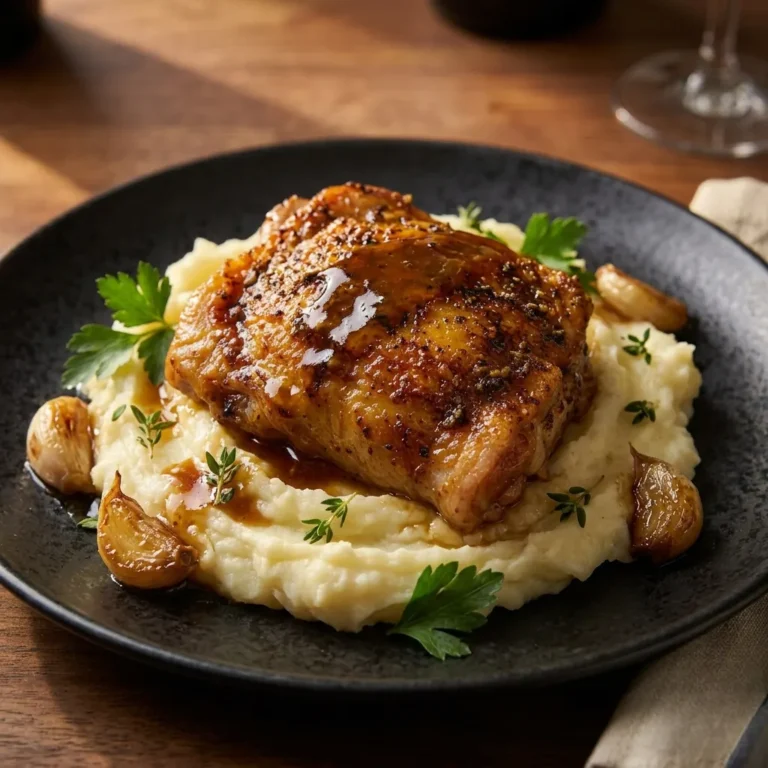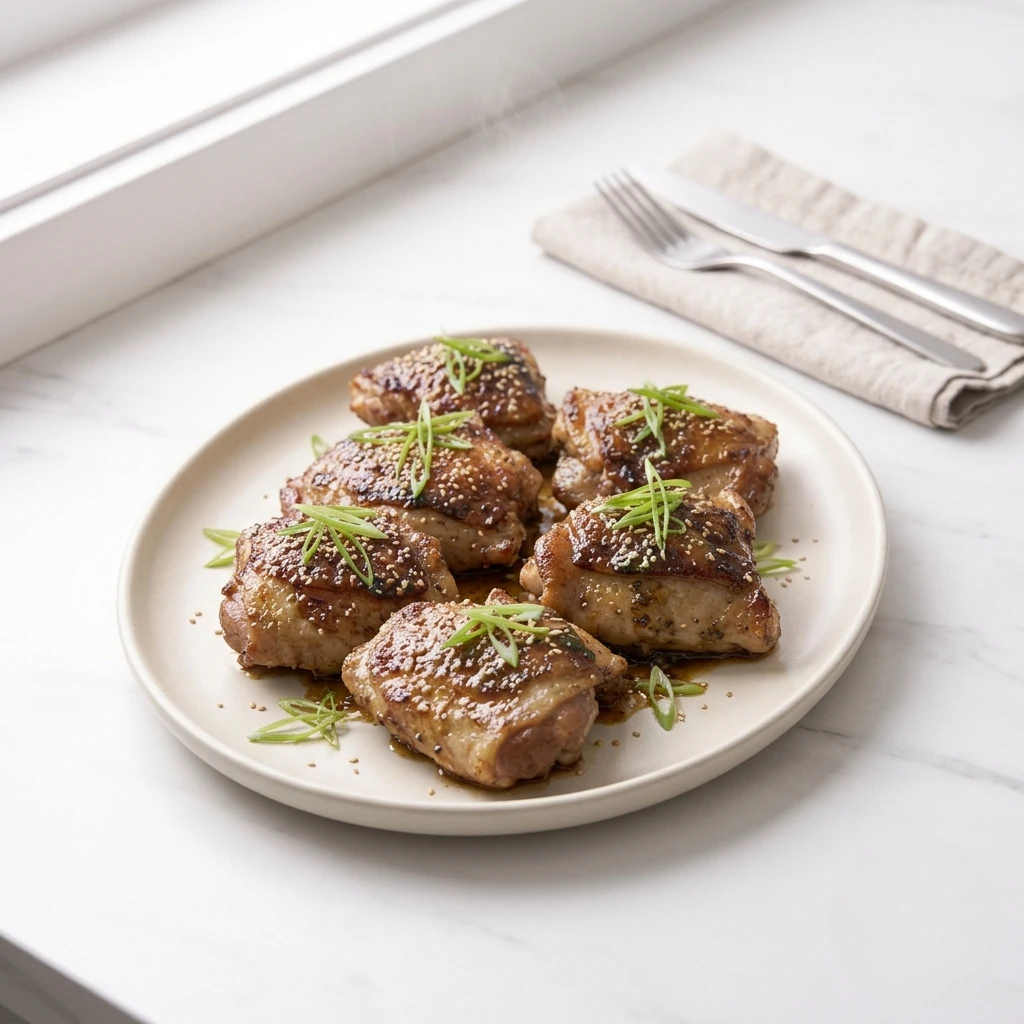
Best Chicken Marinade – Juicy, Flavorful Results Every Time
The best chicken marinade I ever made was an accident. I was out of my usual ingredients and threw together what I had – olive oil, lemon juice, garlic, soy sauce, and a spoonful of brown sugar. Left it overnight because I forgot to cook it. Pulled it out the next day expecting average results and got the best chicken I had made in years.
That was three years ago. I have used this best chicken marinade on everything since – breasts, thighs, drumsticks, even whole spatch cocked chicken. I have made this best chicken marinade probably a hundred times since then, tweaked the ratios, tested different acids, tried it on every cut. The version I am sharing here is the one I keep coming back to – five ingredients, five minutes of prep, and it works whether you grill it, bake it, or cook it in a skillet.
The First Thing I Learned About Marinating Chicken
Most people think a marinade just adds flavor. It does – but that is only half of what is happening.
When a marinade containing acid (lemon juice, vinegar, yogurt, soy sauce) contacts raw chicken, osmosis begins. The salt and acid in the marinade draw moisture out of the surface cells while simultaneously breaking down the outer protein structure. This allows the flavoring compounds – garlic, herbs, spices to penetrate deeper into the meat than they could on a dry surface.
The salt does something separate and equally important. Dissolved in liquid, salt denatures some surface proteins, which helps the muscle fibers hold onto moisture during cooking. This is why marinated chicken stays juicier on the grill than unseasoned chicken – it is not magic, it is protein chemistry.
Here is what nobody mentions: acid can work against you if you leave it too long. Lemon juice and vinegar continue breaking down protein even after the flavor has fully penetrated. Past the four-hour mark with a highly acidic marinade, chicken breasts start to get mushy on the outside – the texture gets strange and slightly chalky. Thighs are more forgiving because of their higher fat content, but the sweet spot for any cut is 30 minutes minimum and four to six hours maximum for acid-based marinades.
Overnight is fine if you reduce the lemon juice by half and rely more on soy sauce, which is less aggressive on protein structure.
Oil does not tenderize. It carries fat-soluble flavor compounds and helps with browning during cooking, but it does not penetrate meat the way acid and salt do. It is still essential in the best chicken marinade just not for the reason most people think.
Small Details That Make a Big Difference
Fresh garlic versus garlic powder matters more in a marinade than in most other applications. Raw garlic releases allicin as it marinates, which has a sharper, more complex flavor than pre-powdered garlic. Three to four fresh cloves is what I use. If all you have is garlic powder, use a teaspoon and the result is still good – just slightly more muted.
Low sodium soy sauce is worth it here. Regular soy sauce combined with the natural sodium in chicken can make the final result taste overseasoned, especially if you are cooking on high heat and the surface caramelizes. Low sodium keeps the salt level controllable.
Brown sugar in the marinade does two things. It balances the acidity of the lemon juice and soy sauce, and it promotes caramelization when the chicken hits high heat. The sugar browns faster than protein, which gives you better color in less time on the grill or in the oven. One tablespoon is enough more than that and the exterior burns before the interior reaches temperature.
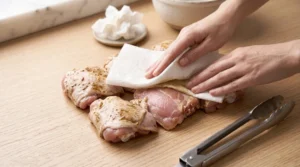
Pat the chicken dry before cooking even after marinating. This sounds counterintuitive but wet chicken steams instead of sears. Removing the surface moisture with paper towels gives you better browning while the marinade flavor that has already penetrated stays in the meat.
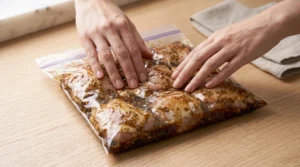
The best container for making the best chicken marinade is a zip-top bag with the air pressed out. Every surface of the chicken stays in contact with the marinade instead of half of it sitting above the liquid line.
Where This Marinade Goes Wrong
Too salty: either regular soy sauce was used instead of low sodium, or the chicken sat too long. Switch to low sodium soy sauce and keep marinating time under six hours.
Mushy texture on the outside: the acid was too strong or the chicken sat overnight in a full strength lemon marinade. Reduce lemon juice to one tablespoon for overnight marinades and add a bit more oil instead.
Burning on the grill before cooked through: too much sugar in the marinade. One tablespoon of brown sugar is the limit. Also, make sure to pat the chicken dry before grilling excess marinade drips onto coals and flares up.
No flavor penetration tastes plain even after marinating: the chicken was not scored or at least pierced, and the pieces were very thick. For thick chicken breasts over an inch, use a fork to pierce the surface a few times before marinating. It sounds basic but makes a real difference on thicker cuts.
How to Use This Best Chicken Marinade Four Ways
Best chicken marinade for grilling: Marinate 2 to 6 hours. Grill over medium-high heat (400F) for 6 to 7 minutes per side for breasts. Do not move the chicken for the first four minutes – that is when the grill marks form and the surface caramelizes.
Best chicken marinade for baking: Marinate 2 to 4 hours. Bake at 425F for 20 to 25 minutes for breasts, 35 to 40 minutes for bone-in thighs. Pull at 165F internal temperature.
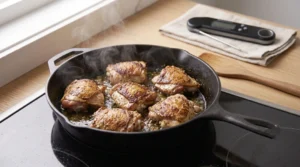
Best chicken marinade for the skillet: Marinate 30 minutes minimum. Pat dry before cooking. Sear in a 12-inch stainless steel or cast iron skillet over medium high heat in avocado oil. 5 to 6 minutes per side for breasts.
Freeze in marinade: Place raw chicken directly in the marinade in a freezer-safe bag and freeze for up to three months. Thaw overnight in the fridge – the chicken marinates as it thaws. This is the easiest meal prep method and gives you full-flavored chicken with almost zero extra effort.
What I Usually Serve With Marinated Chicken
This best chicken marinade is designed to be neutral enough to work with almost anything on the plate.
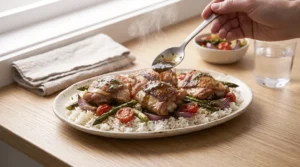
Roasted vegetables are the simplest pairing slice peppers, zucchini, and red onion and roast them at the same temperature as the chicken. They go on the same pan and are done around the same time.
Jasmine rice or brown rice soaks up any juices from the rested chicken and pairs well with the lemon-garlic flavor of this best chicken marinade.
A simple green salad with a lemon vinaigrette echoes the citrus in the marinade without competing with it.
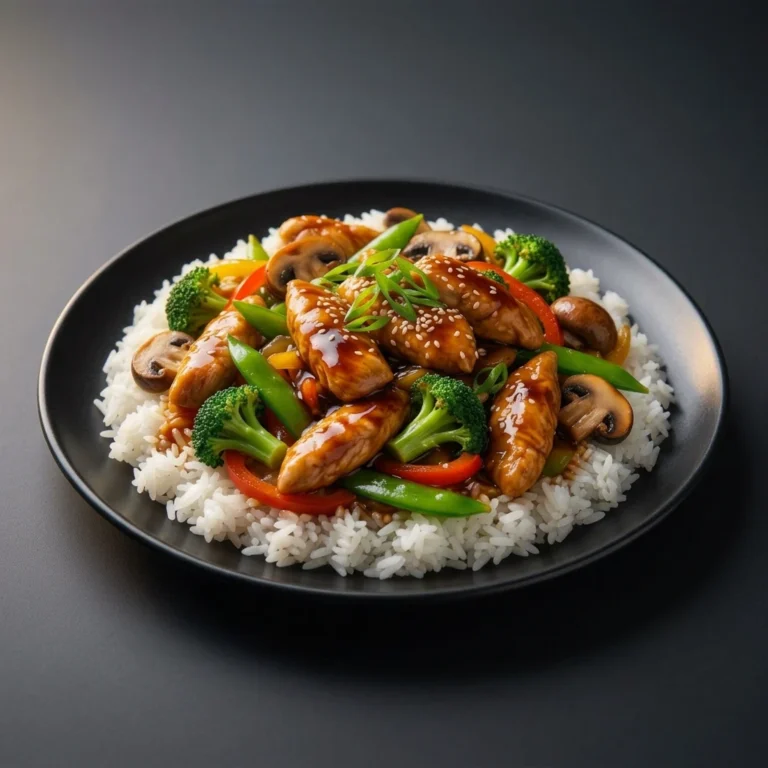
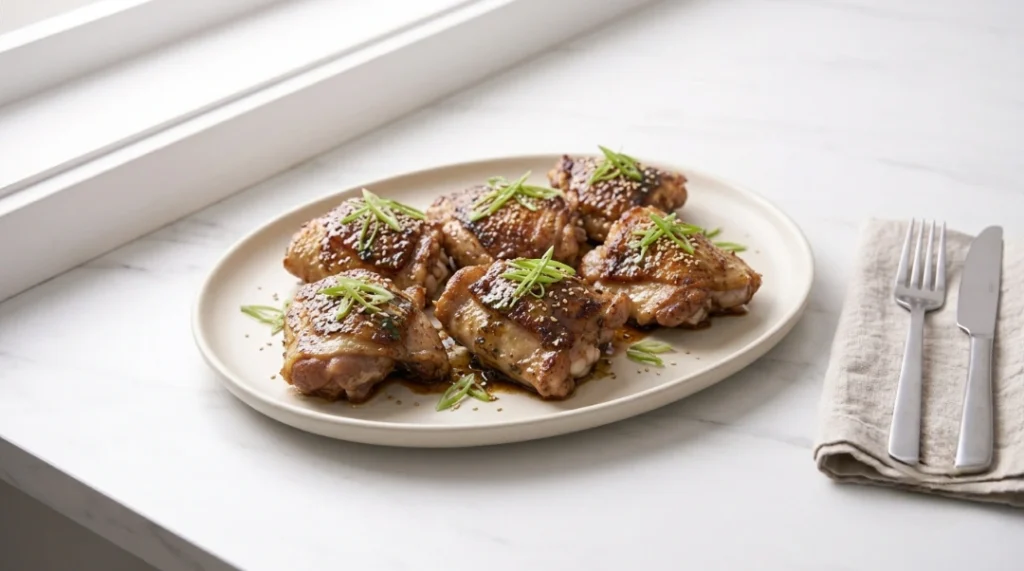
For a complete weeknight dinner, try this chicken sliced over Honey Garlic Chicken rice bowls, or use the leftovers in tacos the next night with fresh salsa and avocado.
Also works well alongside Crispy Baked Chicken Thighs if you are cooking for a crowd and want two different preparations on the table.
Keeping Your Best Chicken Marinade Fresh
Marinated raw chicken keeps in the fridge for up to two days before cooking. After that the texture starts to suffer, especially with a lemon-heavy marinade.
Cooked marinated chicken keeps well for four days in an airtight container in the fridge. It reheats best in a covered skillet over medium-low heat with a tablespoon of water about four minutes. The microwave dries it out faster than the stovetop method.
The marinade itself (without raw chicken) keeps in the fridge for up to one week in a sealed jar. This makes it easy to prep a batch on Sunday and use it through the week.
Do not reuse best chicken marinade that has been in contact with raw chicken. If you want a basting sauce, set aside a portion before adding the raw chicken.
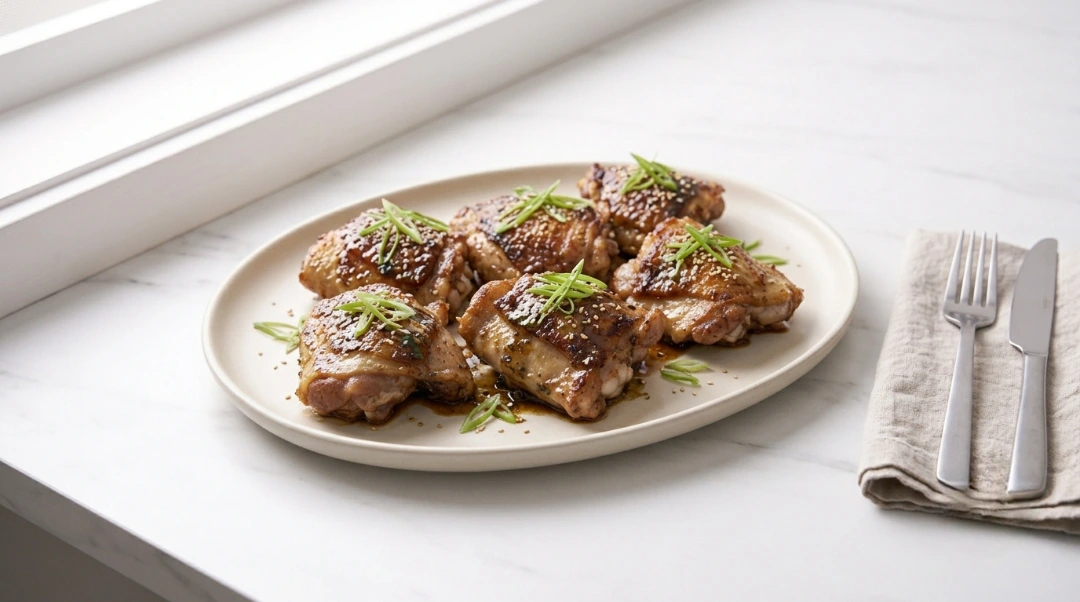
Best Chicken Marinade
Ingredients
Equipment
Method
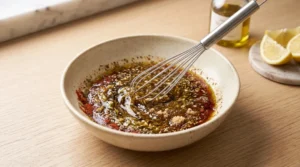
- Make the marinade Whisk together olive oil, soy sauce, lemon juice, brown sugar, minced garlic, Italian seasoning, smoked paprika, black pepper, and salt in a small bowl until the sugar is fully dissolved. Taste it . it should be bold, slightly salty, and tangy. This is your best chicken marinade base.
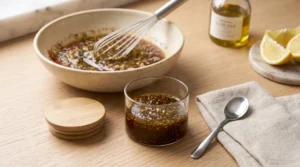
- Reserve basting portion (optional) If you want a sauce for basting during cooking, set aside 3 tablespoons of marinade now before it contacts raw chicken. Store in a small sealed container in the fridge.
- Marinate the chicken Place chicken in a gallon zip-top bag. Pour the marinade over the chicken, press out as much air as possible, and seal. Massage the bag so every surface is coated. Refrigerate for a minimum of 30 minutes and up to 6 hours. For overnight, reduce lemon juice to 1 tablespoon.
- Remove and dry When ready to cook, remove chicken from the marinade. Pat each piece completely dry with paper towels. This removes surface moisture that would otherwise create steam and prevent browning. The flavor that has penetrated stays in the meat.
- Cook to temperature Cook using your preferred method. For the skillet: heat avocado oil in a cast iron skillet over medium high until shimmering, cook 5 to 6 minutes per side. For the oven: bake at 425F for 20 to 25 minutes. For the grill: medium high heat, 6 to 7 minutes per side. All methods are done at 165F internal temperature.
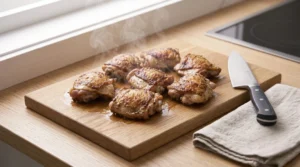
- Rest Rest chicken for 5 minutes before cutting. This allows the juices redistributed during cooking to settle back into the meat instead of running out when you cut it.
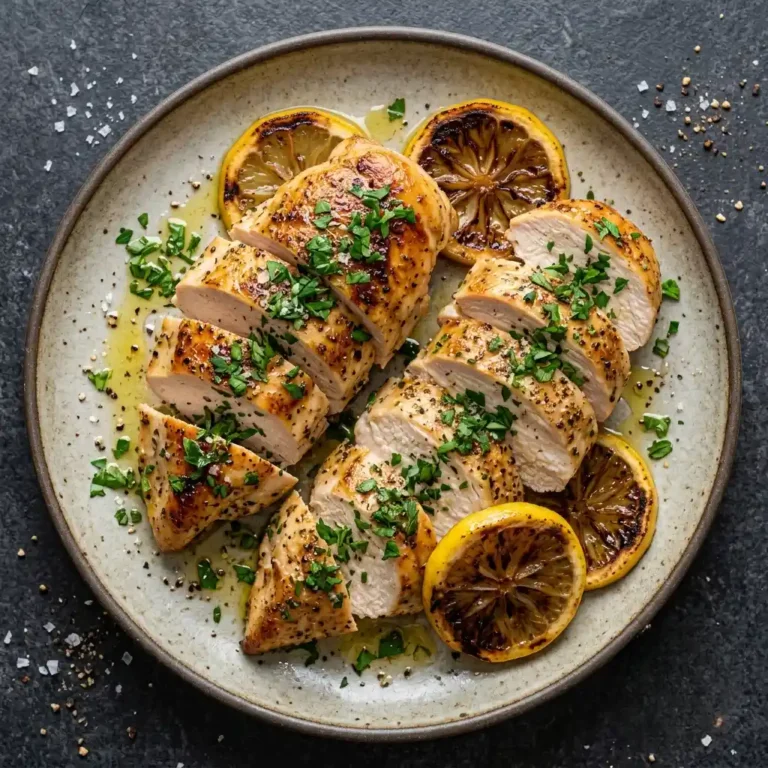
- Serve Slice or serve whole depending on how you are using the chicken. Spoon any reserved basting sauce over the top if using. Serve immediately over rice, with roasted vegetables, or in whatever dish you planned.
Notes
- Do not reuse marinade that touched raw chicken as a sauce unless boiled for 1 full minute first.
- Over-marinating in acid: more than 6 hours with full lemon juice makes the outer texture mushy, especially chicken breasts. Reduce acid for overnight.
- Freeze in marinade: add raw chicken to marinade in a freezer bag and freeze up to 3 months. Thaws and marinates at the same time.
- Pat dry before cooking: counterintuitive but essential for browning.
- Brown sugar limit: more than 1 tablespoon risks burning before the chicken cooks through.
- Storage cooked: airtight container, fridge up to 4 days.
- Storage marinade only: sealed jar, fridge up to 1 week.
- Reheat: covered skillet over medium-low with splash of water, 4 minutes.
NUTRITION
(Per Serving – Estimated, chicken only)
| Calories | 290 kcal |
| Protein | 36 g |
| Fat | 13 g |
| Saturated Fat | 2 g |
| Carbohydrates | 6 g |
| Fiber | 0 g |
| Sugar | 4 g |
| Sodium | 580 mg |
| Cholesterol | 110 mg |
Calculated using boneless skinless chicken breasts with listed marinade ingredients. Not all marinade is absorbed – values are estimates.
Questions I Get Asked About Best Chicken Marinade
How long should I marinate chicken for the best results?
It depends on the cut. Chicken tenders need just 15 to 30 minutes – they are thin and the acid works fast. Boneless breasts and thighs are best at 2 to 4 hours. Bone-in pieces benefit from 4 to 6 hours. Overnight is fine if you cut the lemon juice in half. More than 24 hours in an acid-heavy marinade will make the texture mushy, especially for breasts.
Can I marinate chicken in this best chicken marinade and then freeze it?
Yes this is actually one of the best ways to use this recipe. Add raw chicken to the marinade in a freezer-safe zip bag, press out the air, and freeze for up to three months. Thaw overnight in the fridge and cook as usual. According to USDA food safety guidelines, always cook thawed marinated chicken to an internal temperature of 165F.
Can I use this marinade on chicken thighs and breasts at the same time?
Yes this best chicken marinade works on any cut. Just be aware that breasts and thighs cook at different rates. If cooking together, start the thighs first or use a thermometer to pull each cut when it hits 165F rather than relying on a single time.
Do I need to rinse the chicken after marinating?
No rinsing removes flavor and also risks spreading bacteria around the sink. Just pat dry with paper towels before cooking to remove surface moisture that would otherwise prevent browning.
Can I use this as a sauce after cooking?
Only if you set a portion aside before adding the raw chicken. Marinade that has been in contact with raw chicken carries bacteria and must not be used as a sauce unless it is brought to a full boil for at least one minute first.
Worth Making Again
This best chicken marinade is the one recipe from this site that I use almost every week without thinking about it. It has become automatic – chicken in the bag, marinade in, fridge until dinner. The results are reliable enough that I stopped looking for anything better.
If you give it a try, leave a comment below and let me know which cooking method you used.